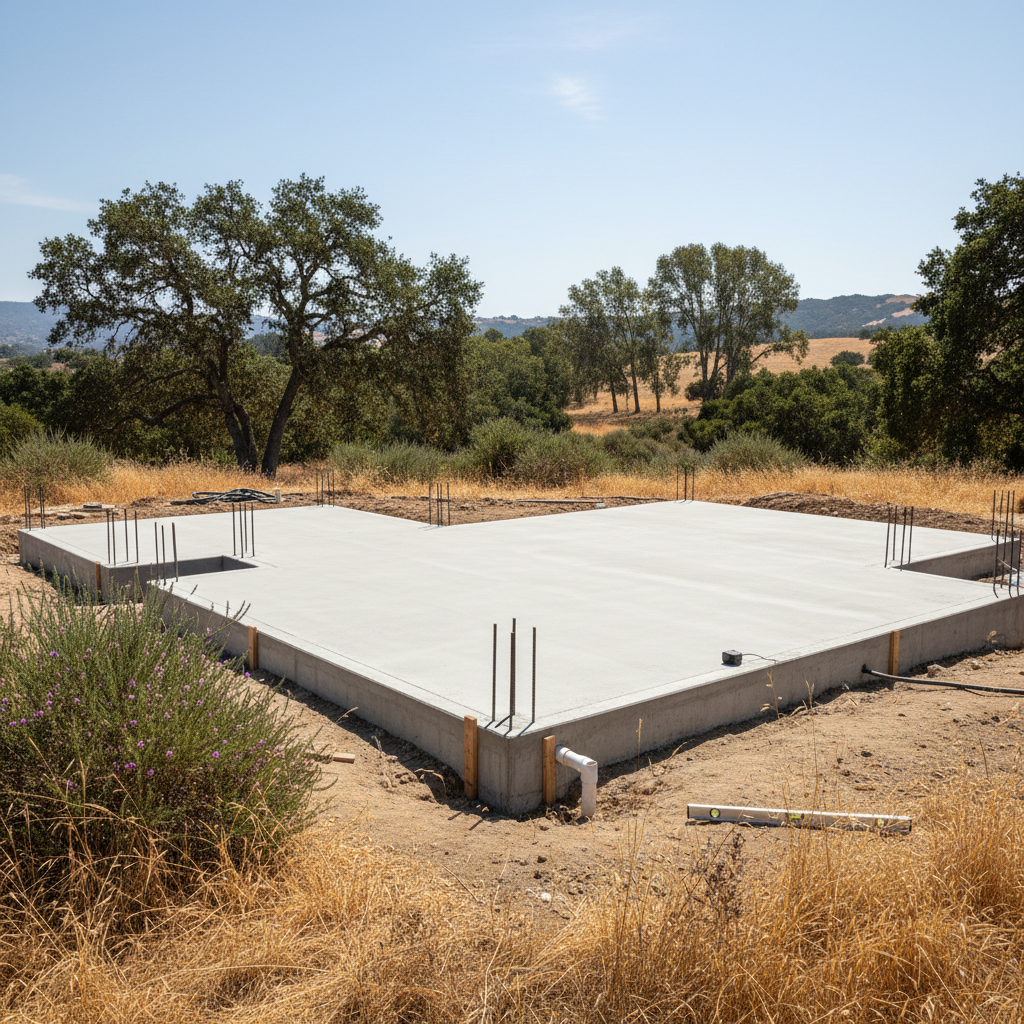
Thinking about a new concrete foundation or slab for your Ventura home? You've probably got questions about timing, and that's smart. Our weather here isn't like, say, Minnesota, but it still plays a huge role in how concrete sets up and lasts.
When's the Best Time to Pour Concrete in Ventura?
Honestly, you can pour concrete in Ventura pretty much any time of year, but some seasons are definitely better than others. As a contractor, I'll tell you the sweet spot is usually late spring through early fall. Why? Because you want consistent temperatures, not too hot, not too cold, and ideally, not too wet.
Summer here, especially July and August, can get pretty warm, sometimes hitting the high 80s or even 90s inland. When it's hot, concrete cures faster, which sounds good, but it can also lead to cracking if it dries out too quickly. We have to take extra precautions, like misting the slab or using curing compounds, to slow that process down. It's totally doable, but it requires more attention.
Winter, on the other hand, brings cooler temperatures and, more importantly, rain. While a little drizzle during a pour isn't the end of the world, a heavy downpour can wash out the cement paste, weakening the concrete. Plus, if it gets too cold, below 40 degrees Fahrenheit, the hydration process slows way down, and the concrete won't gain strength properly. Freezing temperatures are rare right on the coast, but they can happen in some of the more inland valleys, and that's a definite no-go for pouring.
My personal favorite times are May, June, September, and October. The days are usually warm and sunny, the nights are cool, and we typically don't have to worry as much about unexpected rain. It gives the concrete the ideal environment to cure slowly and gain maximum strength.
How Ventura's Weather Affects Your Concrete Foundation
Our local climate isn't just about when you pour; it's about the long-term health of your concrete. We don't get extreme freeze-thaw cycles like other parts of the country, which is a big plus. Those cycles can really beat up concrete over time, causing spalling and cracking.
What we do get, though, is a fair amount of sun and occasional moisture. UV rays don't directly hurt concrete, but they can contribute to surface drying. The bigger concern is our soil. Ventura's soil can vary wildly, from sandy loam near the beaches to heavier clays further inland. Clay soils, especially, can expand and contract with moisture changes, putting stress on foundations. This is why proper soil preparation and reinforcement are absolutely critical here. We're not just pouring concrete; we're building on what's underneath.
Another thing to think about is saltwater exposure if you're close to the ocean. While concrete is durable, prolonged exposure to salt spray can lead to corrosion of the rebar inside the concrete over many decades. If you're building right on the beach, we might recommend special mixes or coatings to add an extra layer of protection.
Protecting Your Concrete Investment Year-Round
Once your concrete foundation or slab is in, you'll want to keep it in good shape. Here's what I tell folks:
- Keep it Clean: Sweep off dirt, leaves, and debris regularly. This prevents organic matter from breaking down and staining the surface.
- Watch for Cracks: Small hairline cracks are normal in concrete; it's just the nature of the material. But if you see cracks widening, or if they're accompanied by unevenness, that's when you should give us a call at Precision Concrete Ventura. It could indicate a bigger issue.
- Manage Drainage: This is huge. Make sure water drains away from your foundation, not toward it. Gutters should be clean and downspouts should extend far enough to direct water away from the house. Standing water near your foundation is a recipe for trouble, especially with our expansive clay soils.
- Seal It (Sometimes): For driveways, patios, or other exposed slabs, applying a good quality sealer every few years can really extend their life. It helps repel water, resist stains, and protect against surface wear. For foundations, it's usually not necessary after the initial cure, but for decorative concrete, it's a must.
- Be Mindful of Landscaping: Tree roots can be incredibly powerful and can lift or crack concrete over time. Plant larger trees and shrubs a reasonable distance from your foundation and major slabs.
Taking a few simple steps can make a huge difference in how long your concrete lasts and how good it looks. If you've got questions about your specific property or what we've talked about here, don't hesitate to reach out. We're always happy to share our experience.