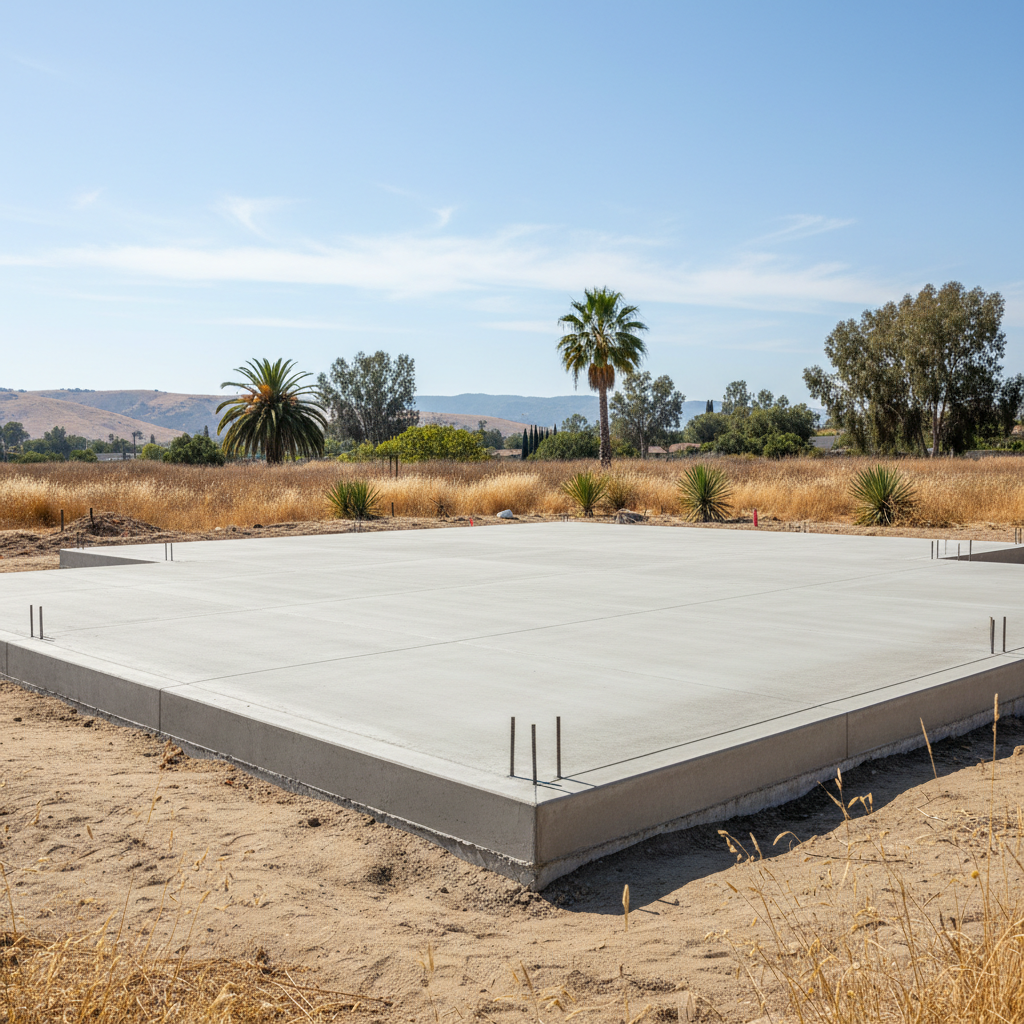
A concrete foundation? That's not something you want to screw up. Seriously, it's the very ground your home or that big new addition will sit on. Mess it up, and you're looking at major headaches, really expensive fixes, and maybe even structural problems down the road. I've seen plenty of folks right here in Ventura make some pretty common blunders when they're planning or hiring for these kinds of projects. So, let's chat about what you should really keep an eye out for.
Mistake #1: Skipping the Soil Report
This one's a huge deal, especially around our neck of the woods. Ventura has some *interesting* soil conditions, you know? You might be building on old riverbed stuff near the Ventura River, or maybe up in the hills where the soil can be that expansive clay type. You just won't know for sure until you get a professional soil report. Some people try to save a few bucks by skipping this step, or they'll just use some old report that doesn't even apply to their specific lot or project. That, my friend, is a massive gamble.
A good geotechnical engineer will tell you exactly what kind of dirt you're dealing with, how much weight it can handle, and if there are any issues like liquefaction potential or those tricky expansive clays. This information pretty much dictates your foundation's whole design—whether you need deeper footings, a post-tension slab, or specific drainage plans. Without it, your contractor is basically just guessing, and that's a recipe for settlement cracks, uneven floors, and a whole lot of regret. Don't be cheap when it comes to the soil report. It's, well, foundational to your foundation.
Mistake #2: Hiring the Cheapest Bid Without Due Diligence
I totally get it. Everyone wants to save money. But when it comes to a concrete foundation, the cheapest bid is almost never the best. Sometimes it means they're cutting corners, using lower quality materials, or maybe they just don't have enough experience to handle the complexities of pouring a foundation.
You absolutely need to ask questions. Lots and lots of questions. What's their experience specifically with foundations? Can they give you references for similar projects they've done right here in Ventura? Are they licensed and insured? Don't just take their word for it, either. Check their license with the Contractors State License Board (CSLB) and make sure their insurance is all up to date. A good contractor won't mind you doing your homework; in fact, they'll expect it. If someone's pushing you to sign quickly or offering a deal that sounds too good to be true, it probably is.
Mistake #3: Ignoring Drainage from the Start
Water is the absolute enemy of any foundation. Around here, especially with our rainy season, managing water is super critical. I've seen homeowners put in a beautiful new foundation, only to have problems a few years later because they didn't plan for drainage properly. This isn't just about gutters on your house; it's about how the land slopes away from your foundation, whether you need French drains, or if you're even dealing with a high water table.
Your foundation contractor, working with your engineer, should be thinking about this from day one. The ground around your foundation needs to slope away at a minimum of 5% for the first ten feet. If it doesn't, water will just pool, soak the soil, and put hydrostatic pressure on your foundation walls. That leads to cracks, leaks, and potential structural damage. Trust me, it's way easier and cheaper to deal with drainage during the initial planning and construction phase than to try and fix it later.
Mistake #4: Not Understanding the Permit Process
Building a foundation in Ventura County isn't a small job, and it definitely requires permits. A whole lot of them, actually. Some homeowners try to skirt the system to save time or money. That's a massive mistake. The permit process is there to make sure your project meets safety codes and engineering standards. It's there to protect *you*.
A reputable contractor, like us at Precision Concrete Ventura, will either handle the permit process for you or at least guide you through it. They'll know what plans need submitting, what inspections are required at each stage (like that rebar inspection before the pour), and how to deal with the local building department. If a contractor suggests doing the work without permits, just run the other way. You'll end up with an unpermitted structure that could be costly to legalize, or even worse, you might have to tear it down. It also makes selling your home a total nightmare.
Mistake #5: Micromanaging the Experts, or Not Asking Enough Questions
There's a fine line here, isn't there? You're hiring professionals for their expertise, so you should trust them to do their job. But that doesn't mean you shouldn't understand what's happening or ask questions. Some homeowners try to tell the engineers or contractors how to do their job, which can lead to conflicts and mistakes. Others just sign off on everything without really understanding the implications.
Ask why certain materials are being used. Ask about the concrete's curing process. Understand the timeline for inspections. Be there for key milestones if you can, why not? A good contractor will explain things clearly and patiently. If they get annoyed by your questions, though, that's a red flag. You're investing a lot of money, and you absolutely have every right to be informed.
Getting a foundation right is absolutely critical. Do your homework, hire the right people, and don't cut corners. Your home will definitely thank you for it.