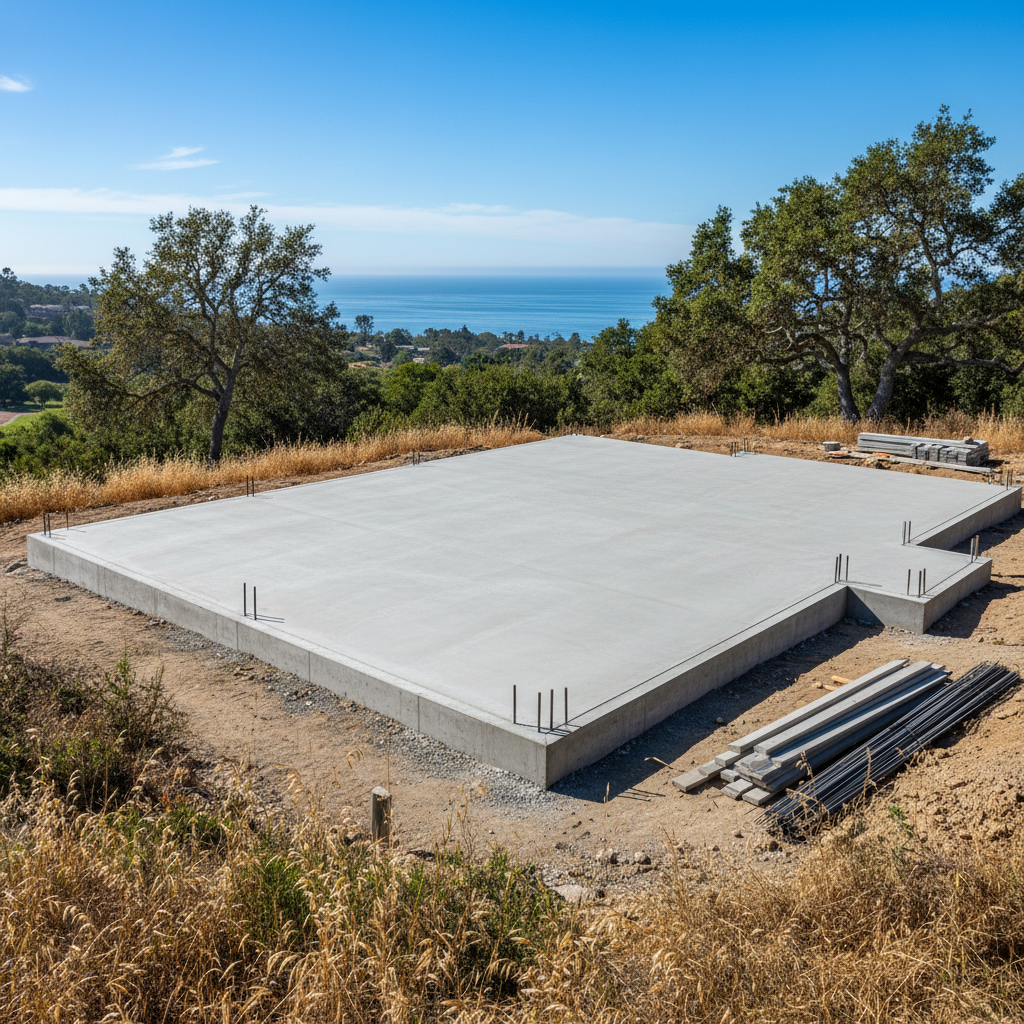
Alright, let's talk about your concrete foundation here in Ventura. It's the backbone of your home, after all. And just like anything else, our local weather definitely affects it. People often ask me, "When's the best time to do foundation work?" or "What kind of weather should I worry about?" Good questions, both of them. Let's break it down a bit.
Ventura's Climate and Your Foundation
We're lucky to live in Ventura, no doubt about it, but our climate isn't always gentle on concrete. We get those long, dry summers, then the occasional heavy winter rains. That's a constant cycle of expansion and contraction for the soil underneath your house, and it really puts stress on your foundation. Think about the clay soils we have in places like the hills above Foothill Road – they swell right up when wet and shrink when dry. This movement can lead to cracks or settlement if your foundation isn't designed or maintained properly.
Then there's the marine layer. It brings humidity, which isn't always a bad thing for curing new concrete. But it also means consistent moisture in the air. Over time, that can contribute to efflorescence or even spalling, especially if the concrete wasn't mixed or finished correctly way back when.
Timing Your Foundation Work: When to Schedule
So, when's the sweet spot for foundation work? Generally, I'd say late spring through early fall. Here's why:
- Dry Weather is Your Friend: Concrete needs time to cure properly, and too much rain, especially during the initial pour and those first few days, can dilute the mix, weaken the surface, and cause issues like scaling. Our Ventura summers, while hot, are typically dry, which is pretty ideal for pouring and curing.
- Temperature Matters: Extreme heat (over 90°F) can make concrete set too quickly, leading to shrinkage cracks. On the flip side, extreme cold (below 40°F) slows down the curing process significantly and can compromise strength. Ventura's spring and fall temperatures are usually pretty moderate, hitting that Goldilocks zone for concrete. We're talking 60s, 70s, maybe low 80s – just perfect.
- Access and Site Conditions: It's just easier to work on a foundation when the ground isn't a muddy mess. Trying to dig or move materials around a wet site is a headache, plain and simple, and it can cause delays and extra costs.
That said, sometimes foundation repairs just can't wait. If you have a serious issue, we'll work with you to mitigate weather risks, using tarps, curing compounds, or special mixes to get the job done safely and effectively, no matter the season. But if you have the luxury of planning, aim for those drier, milder months.
Protecting Your Investment Year-Round
Once your foundation is solid, you want to keep it that way. Here are a few things you can do:
- Drainage, Drainage, Drainage: This is huge. Make sure water is always flowing away from your foundation. Check your gutters and downspouts. Are they clear? Are they extending far enough from the house? Standing water next to your foundation is a recipe for trouble, especially with our clay soils.
- Landscaping Matters: Don't plant large trees or shrubs too close to your foundation. Their roots can grow under and exert pressure, or suck moisture out of the soil unevenly, leading to settlement. Also, try to avoid creating landscape beds that trap water right against the concrete.
- Regular Inspections: Just walk around your house a couple of times a year. Look for new cracks, especially ones wider than a credit card or that run horizontally. Check for signs of uneven settlement. Catching small issues early can save you a ton of money down the road, believe me.
- Sealants and Coatings: For exposed foundation walls, a good quality sealant can help protect against moisture intrusion and weathering. It's not a magic bullet, but it adds an extra layer of defense.
Your home's foundation is a critical part of its structural integrity. Taking a proactive approach, understanding how our Ventura climate impacts it, and knowing when to schedule work can save you a lot of headaches and expense. If you've got questions or you're seeing something that worries you, don't hesitate to give us a call at Precision Concrete Ventura. We're always happy to take a look and give you an honest assessment.