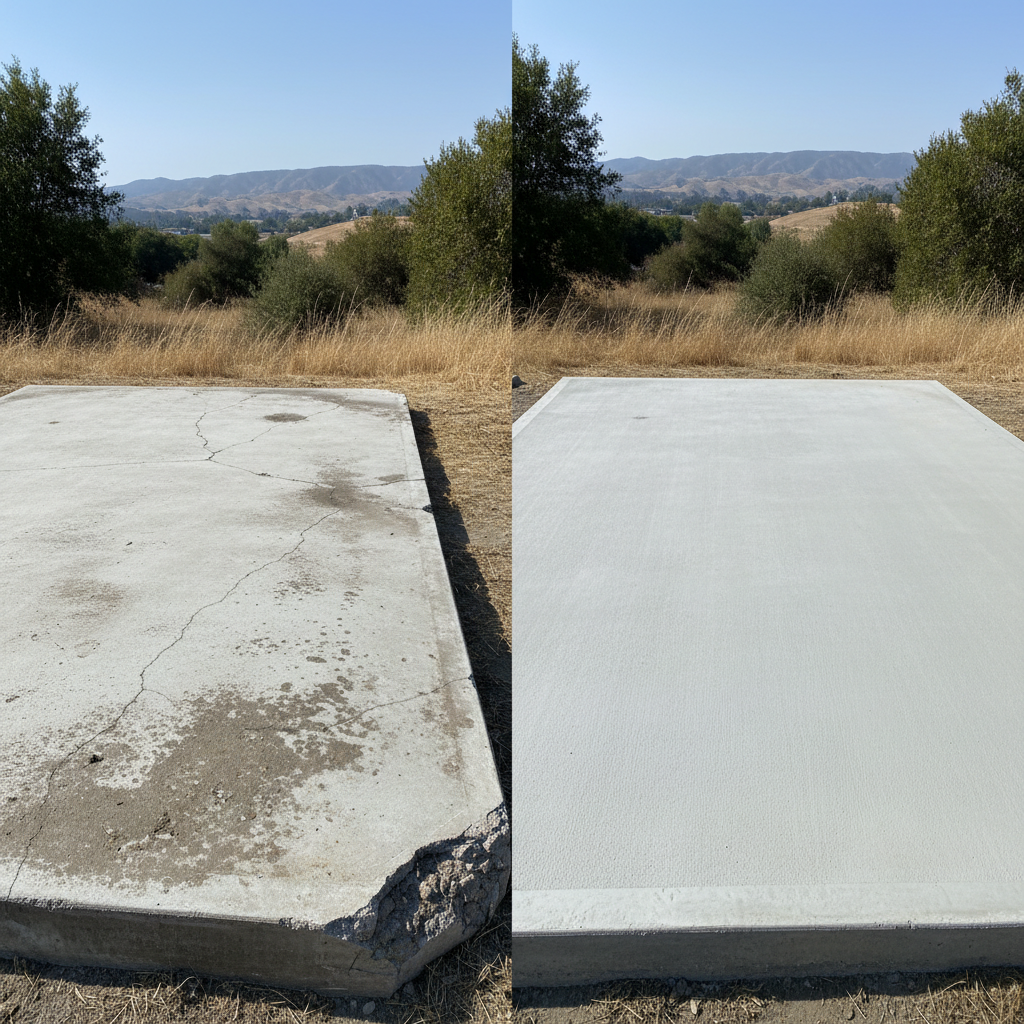
Alright, let's talk foundations. When you're building a new home or adding a significant extension here in Ventura, one of the first big decisions you'll face is what kind of foundation you're going to pour. It's not just about what holds your house up; it affects everything from cost to future maintenance. Most folks are looking at two main options: a slab-on-grade foundation or a stem wall foundation. I've seen plenty of both around town, from the flats near the beach to the hills up in the Ondulando area, and each has its place.
Slab-on-Grade Foundations: Simple and Solid
A slab-on-grade foundation is exactly what it sounds like: a big, thick concrete slab poured directly on the ground. Before we pour, we get the ground ready, lay down a vapor barrier, and put in any plumbing or electrical conduits. Then, the concrete goes down, usually reinforced with rebar or post-tension cables. Your house then sits right on top of this slab.
- Cost: Generally, slab foundations are cheaper upfront. You're looking at less digging, less forming, and less concrete than a stem wall system. Basically, you're pouring one big, flat piece.
- Durability: They're incredibly strong and durable. A well-poured slab can last for generations. They also tend to have fewer pest problems since there's no crawl space for critters to hide in.
- Maintenance: Very low maintenance. Once it's in, there's not much to check on. The biggest worry is usually potential cracking from soil movement, which can happen if the ground wasn't prepped right or if there's significant seismic activity. Here in Ventura, with our varied soil conditions, proper compaction and engineering are absolutely critical.
- Appearance/Functionality: What you see is what you get. The floor of your house sits directly on the slab. This means no crawl space for easy access to plumbing or wiring later on. If you need to fix a pipe under the house, well, you're cutting into the slab.
Stem Wall Foundations: The Raised Approach
A stem wall foundation is a bit more complex. You've got footings poured below grade, then concrete walls (the 'stem walls') built up from those footings. These stem walls create a raised perimeter, forming a crawl space underneath the house. Sometimes that crawl space gets filled with dirt, but often it's left open for access.
- Cost: More expensive than a slab. We're talking more digging, more concrete for the footings and walls, more forming, and often more labor. If you're filling the crawl space, that's added material and work too.
- Durability: Also very durable. The raised nature can be a plus in areas prone to minor flooding or if you want to keep the main living space further from ground moisture. The crawl space allows for better ventilation under the house.
- Maintenance: This is where it gets interesting. While the foundation itself is tough, the crawl space needs attention. You'll need to check for moisture, pests, and potential dry rot in the subfloor. On the flip side, that crawl space makes it much easier to get to and repair plumbing, electrical, or HVAC systems. No jackhammering your living room floor!
- Appearance/Functionality: Gives your home a slightly raised look, which some people prefer aesthetically. The crawl space provides a buffer between your living space and the ground, which can help with insulation and noise.
My Takeaway for Ventura Homeowners
So, which one should you choose? For most new construction in Ventura, especially if you're looking for the most cost-effective and straightforward solution, a slab-on-grade foundation is usually my recommendation. They're incredibly strong, efficient to build, and when done right by a team like Precision Concrete Ventura, they'll give you a solid base for your home for decades.
However, there are situations where a stem wall makes more sense. If your lot has significant slopes, a stem wall can help level things out more easily. If you're building in an area where you anticipate needing frequent access to under-floor utilities, or if you simply prefer the aesthetic of a raised home, then the extra cost of a stem wall might be worth it for you. Also, if you're building on expansive soils, a properly engineered post-tensioned slab can often mitigate issues just as effectively, if not more so, than a stem wall with a traditional crawl space.
Ultimately, the best foundation for your home depends on your specific property, your budget, and your long-term goals. Don't just pick one because your neighbor did. Talk to your builder, talk to your engineer, and if you're in Ventura, give us a call. We're happy to walk you through the options for your specific project.